Diipa Büller-Khosla Didn’t “Make It” Abroad. She Repackaged India for the World
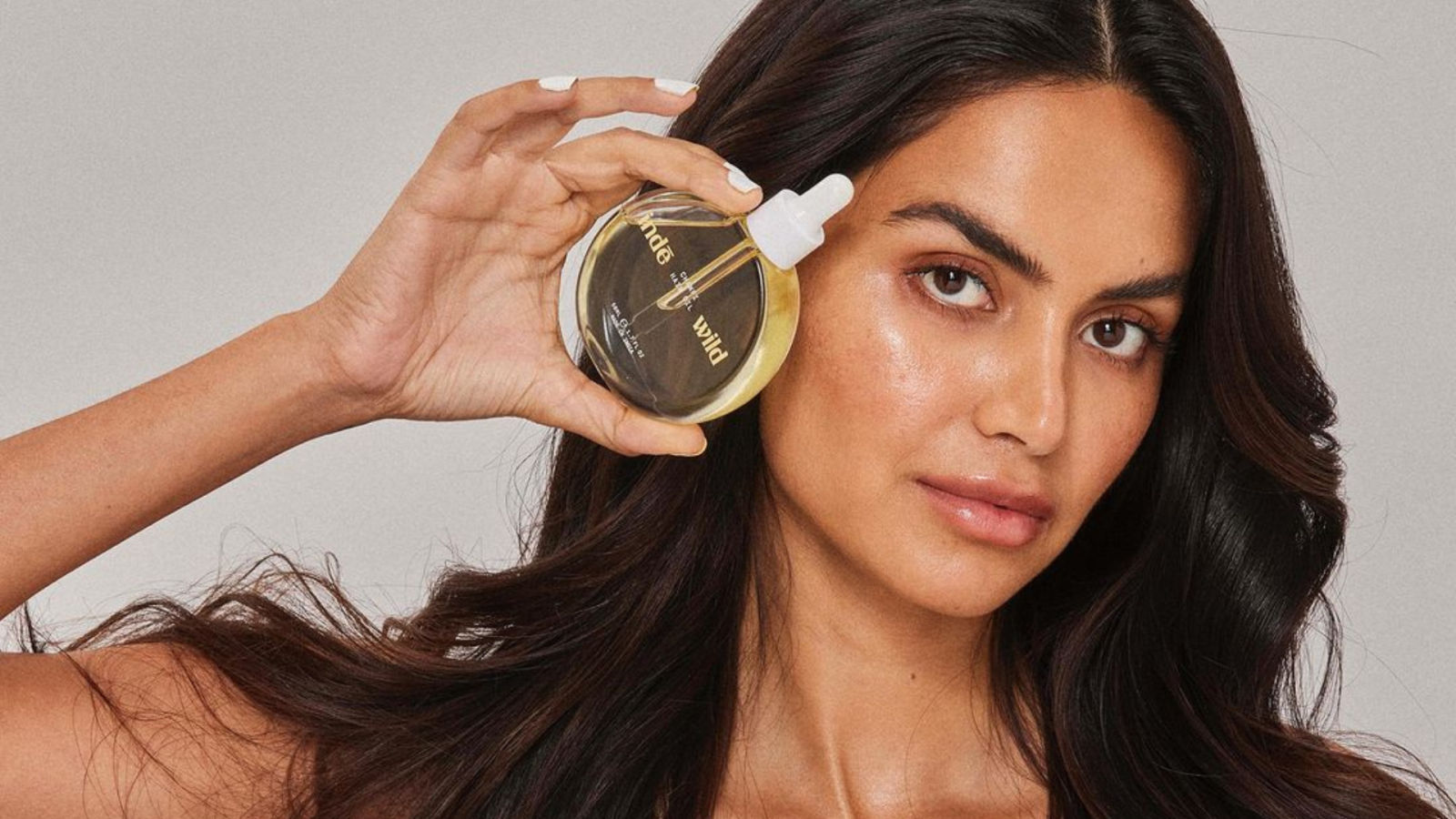
There’s a reason Diipa Büller-Khosla’s story feels different from the usual influencer-to-founder pipeline everyone keeps trying to copy. She never built herself like someone waiting for validation from the Indian market first. While most creators were still trying to become viral locally, Diipa was already positioning herself inside global fashion rooms that rarely made space for Indian women in the first place. Amsterdam, London, Cannes, Paris Fashion Week, Dior invites, luxury campaigns. She wasn’t trying to fit into Western beauty standards either, which honestly makes the whole thing more interesting. She carried Indian identity into those spaces very directly and made it feel expensive, modern, and globally desirable without flattening it into a stereotype.
And then came indē wild, which honestly feels less like a skincare launch and more like a business case study people will probably talk about for years. The smartest thing she did was understanding that Ayurveda didn’t need to be “westernized” to succeed globally, it needed translation, not dilution. Big difference. Champi hair oil, turmeric, saffron, bakuchiol, rituals most Indian families grew up around quietly became products sitting inside Sephora stores in New York and London. Not in the “ethnic beauty” corner either, but beside prestige brands people already viewed as aspirational. That shift matters. A lot.
What I find fascinating is that Diipa never sold the idea of “look at this ancient Indian secret.” She sold confidence. The branding, the visuals, the language, the fashion positioning, everything felt like it already belonged on a global shelf before anyone gave permission for it to be there. And maybe that’s the bigger change happening now with second-generation Indian founders. They’re no longer asking the world to discover India. They’re presenting it like the world was simply late to it.